
Inside NASCAR San Diego at Naval Base Coronado: A Weekend of Racing on a Military Base [VIDEO]
writen by: Instagram/T. Walker
NASCAR’s San Diego race at Naval Base Coronado brought all three national series into an active military base with a unique weekend flow and racing intensity.
NASCAR has raced at superspeedways, short tracks, dirt tracks, and city streets, but for one weekend it added an active military base to that list. Naval Base Coronado became one of the most unique venues the sport has visited as all three national series rolled into San Diego. From the moment you arrived, this was not a standard stop on the schedule. The base did not simply host the event. Every part of the experience was set in motion long before the green flag waved.
Three races, one military base, and miles of pavement made NASCAR’s weekend at Naval Base Coronado feel unlike a standard event. From the moment fans arrived, there was no sense of routine for anyone who had attended a previous NASCAR race. The base framed the weekend instead of simply hosting it, making the race feel rare before the cars even rolled out.
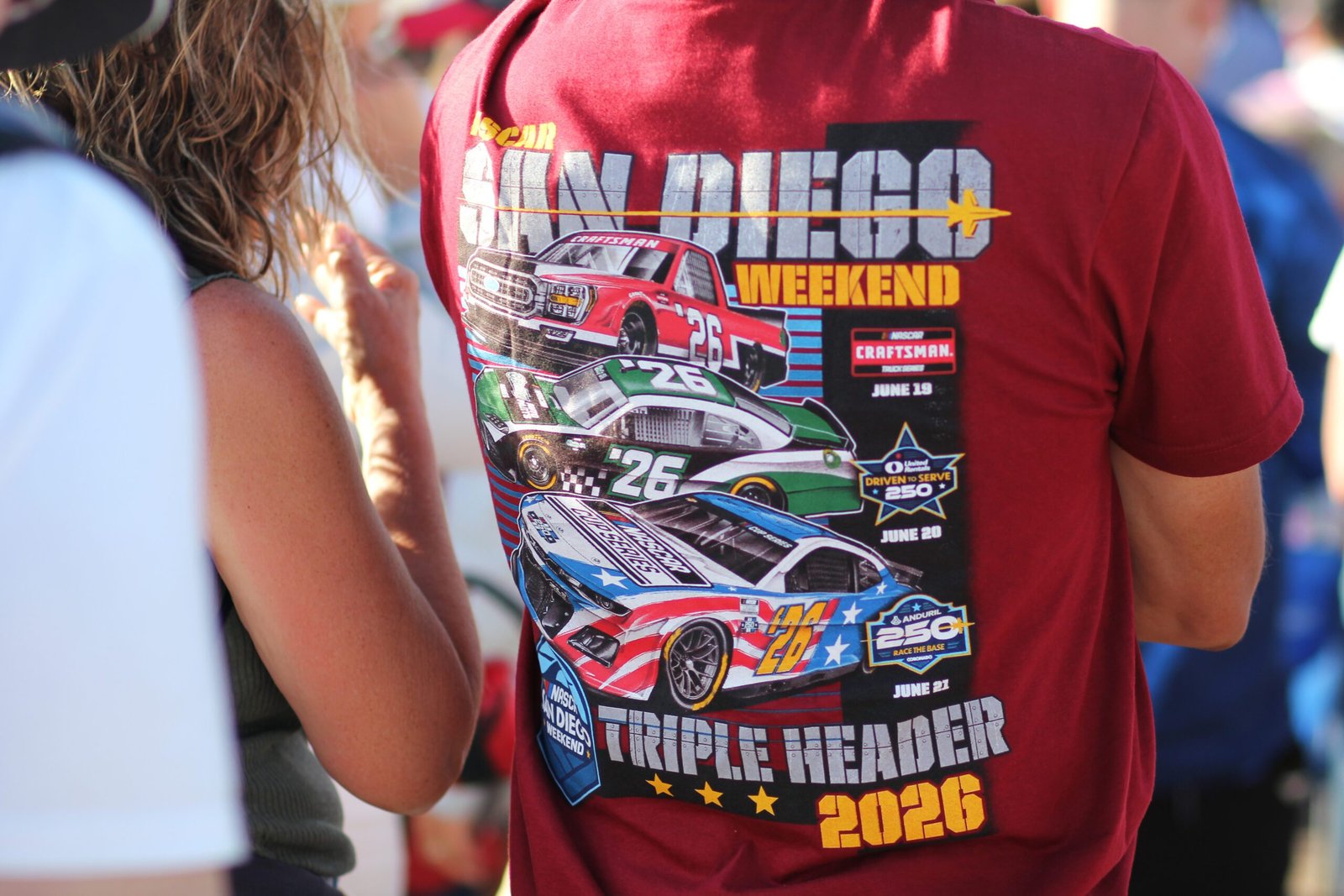
The assignment was simple. Get on the base, take in the scene, and figure out whether NASCAR in San Diego lived up to the promise of racing on an active military base or if it was simply another stop on the calendar. The question was answered long before the first lap.
Getting onto a military base for a NASCAR race sounded straightforward until traffic came to a standstill on the Coronado Bridge, leaving a panoramic view of the San Diego skyline and bay with no option but to sit and wait. By the time the bridge was crossed, the weekend had already broken from a normal race flow, a realization that came before reaching the gate. Coronado operates with one primary access point, and congestion built up quickly as cars backed up through security. What should have been a routine arrival turned into a waiting game that could have set the tone early, but it did not. At least not for me.
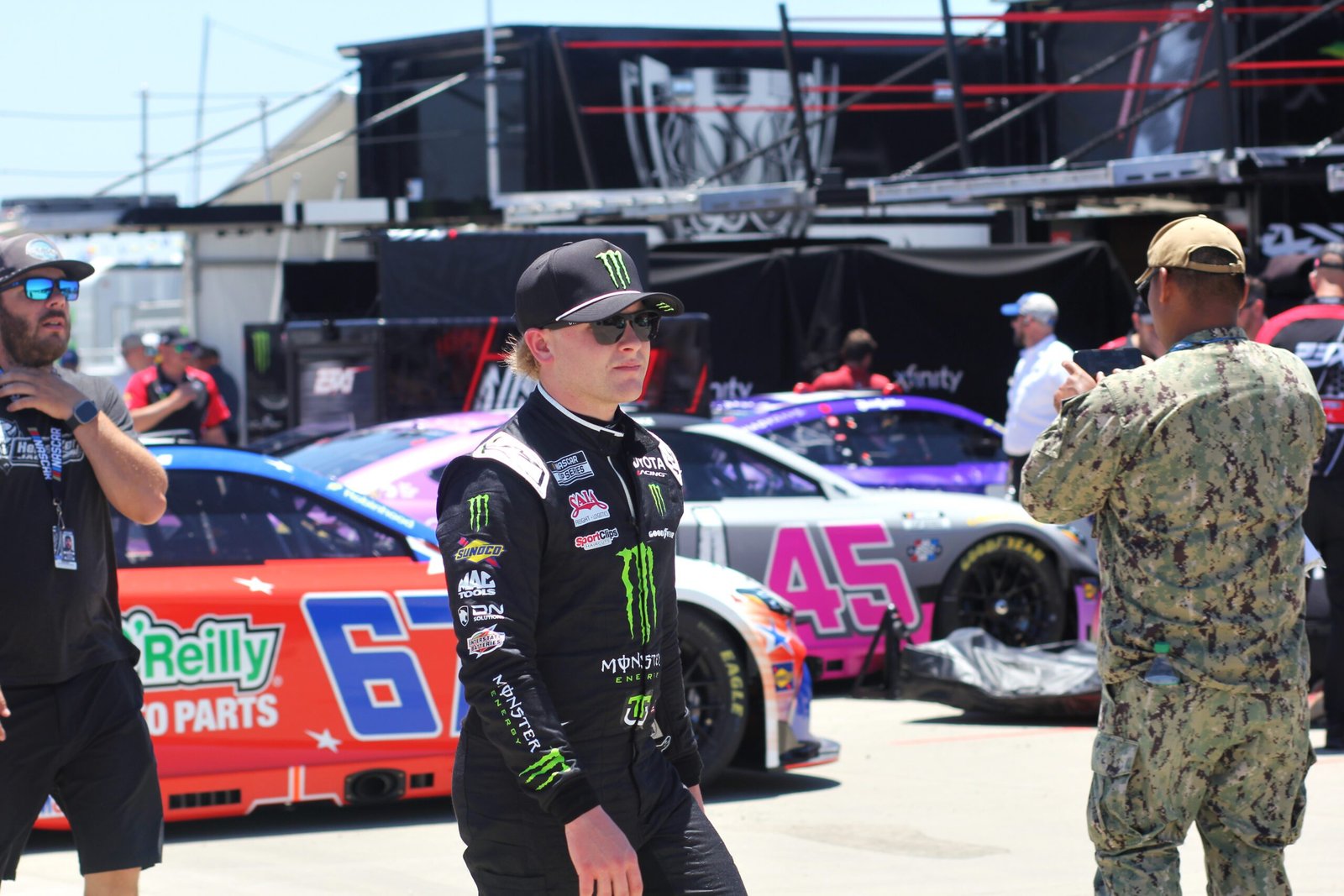
Credential pickup added another reminder that nothing about this weekend would move quickly. Clearance had been handled in advance, but the system did not reflect it on arrival. Resolving the issue took about thirty minutes and required coordination across multiple staff members, a delay not ideal but not unexpected given the scale and security requirements. Once resolved, flexibility became part of the plan for everyone involved, from media to fans to teams.
Once inside, the scale and layout of Naval Base Coronado began to define the experience. The stands were full, yet the layout spread people widely enough to keep any single area from feeling crowded. Moving between the main fan zone and Turns 10 and 13 took time, and the tram system often required waits of nearly 45 minutes, which made walking the faster option most of the time.
Lines were a constant throughout the weekend. Concessions, transportation, and general access points all required patience, and food options felt limited given the size of the crowd. However, none of it took away from the event entirely, but it did add a bit of noticeable friction. At the same time, the media center was well organized, properly staffed and equipped, with solid catering.
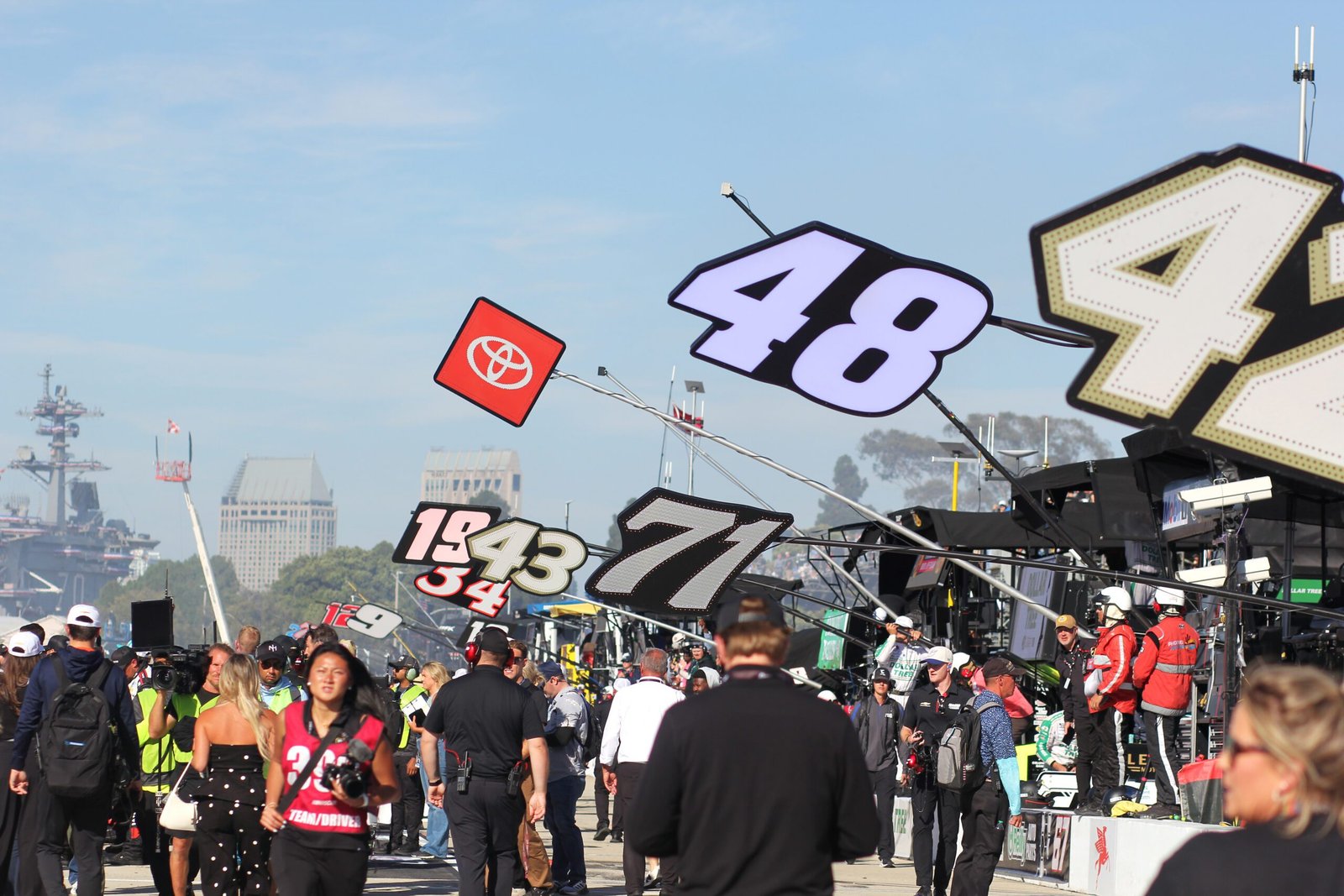
Even with logistical strain across the venue, there was a clear sense people understood they were part of something new. The Truck race added to that feeling, even for local fans and military personnel who arrived early and stayed engaged for what was billed as military appreciation day. Navy Community Day kicked off the historic NASCAR San Diego Weekend at Naval Base Coronado, offering exclusive access and experiences dedicated to active-duty service members, military families, and veterans in celebration of the U.S. Navy’s 250th anniversary. Layne Riggs capitalized on late chaos to secure the win, though the atmosphere around the race carried more weight than the result.
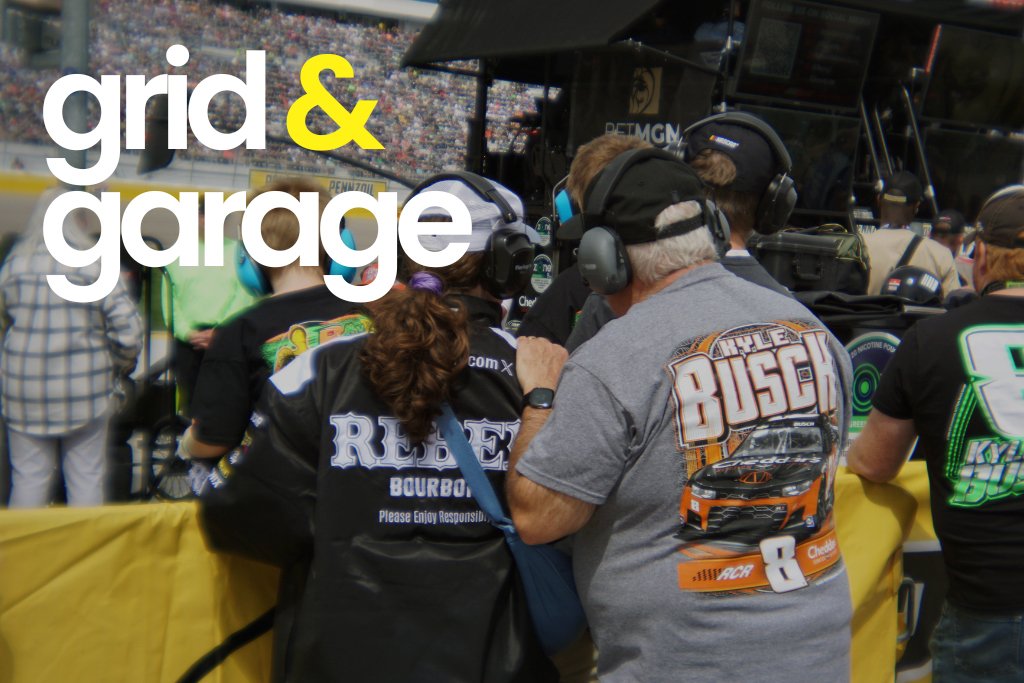
The O’Reilly Auto Parts Series race carried momentum into Saturday and added another layer of emotion. Austin Hill’s victory carried more weight than another entry in the win column for Richard Childress Racing. The organization was still processing the loss of Kyle Busch, and Victory Lane reflected a different tone.
By the time the Cup race got underway on Sunday, the weekend already had a clear identity. For a road course, it’s safe to say, the NASCAR San Diego track rewarded speed but punished mistakes, forcing drivers to balance aggression with restraint. That balance defined the main event more than any single moment.
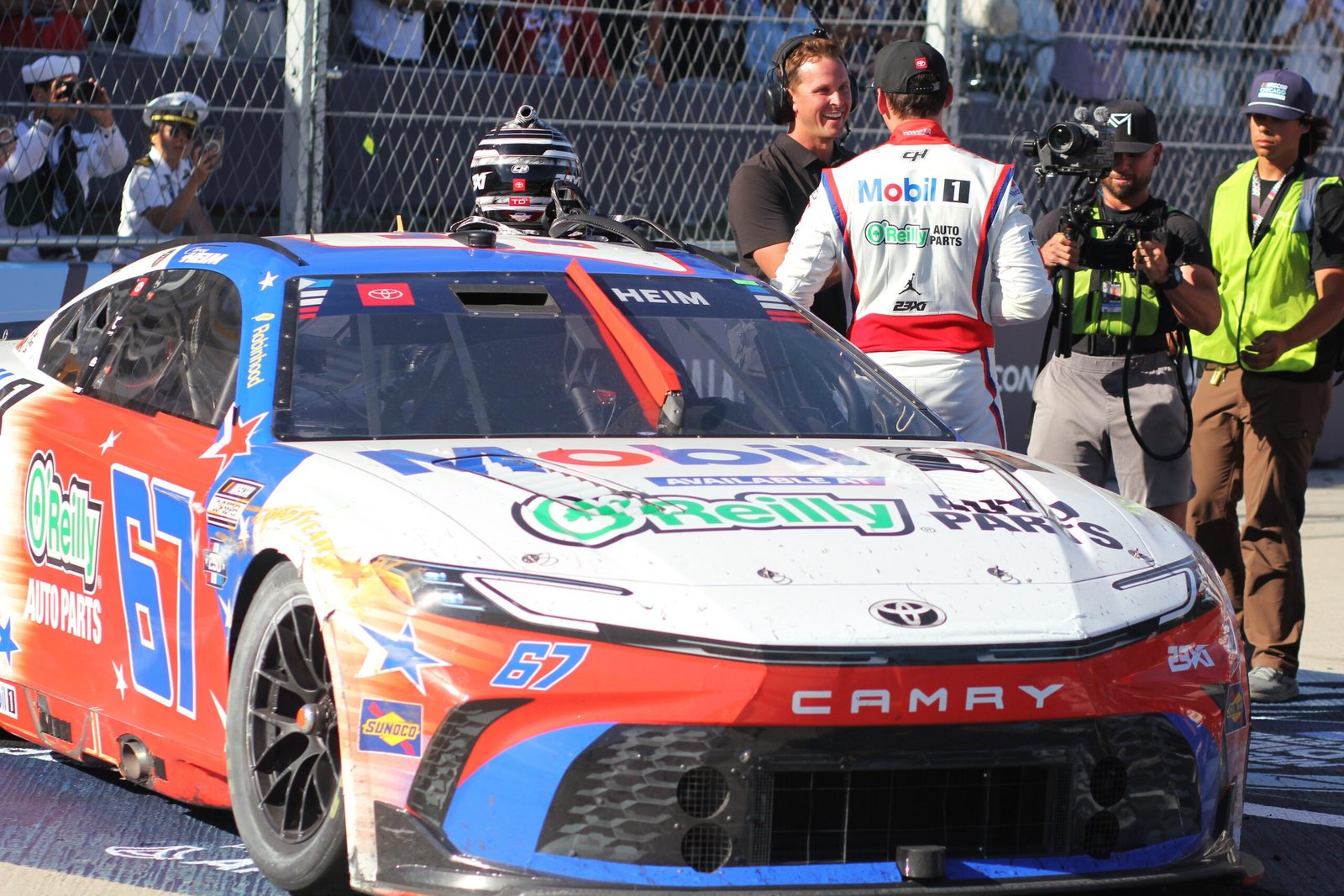
Corey Heim’s performance reflected that reality. He never controlled the race from the front, but he remained in contention and avoided the errors that eliminated others. After the race, Heim said, “I’m speechless. We took a deep breath after Stage 2 and reset and went after it.” That reset proved critical on a track where momentum shifted quickly.
Bootie Barker reinforced that approach throughout the race. “He kept telling me we were going to be fine,” Heim said. “He was right.” Consistent communication became essential as tire wear and changing track conditions influenced strategy, where composure often proved more valuable than urgency. During his post-race interview, Barker said, “Now, one advantage in a way we have at 23XI, with our association with Gibbs, we all have really good cars, really good people. We get to put in more work per race, let’s say, than others. Every race Corey and I go to, we put in weeks of work, weeks of refinement, talking about what we want to achieve.”
The race changed early in Stage 2 on a Lap 32 restart when the field stacked up entering Turn 1. Contact at the front triggered a multi-car incident that eliminated Shane van Gisbergen and Connor Zilisch, both with winning pace. A 23-car incident in the O’Reilly Auto Parts Series race and multiple cautions in the Truck race showed how quickly control disappeared once the field stacked up in traffic.
Denny Hamlin, watching his 23XI team secure a one-two finish, pointed to the bigger picture. “You don’t get many opportunities like this,” he said during his post-race interview. “When you do, you have to capitalize.” The comment applied not only to his team but to the event itself. NASCAR had a rare opportunity to stage something different, and the execution largely held.
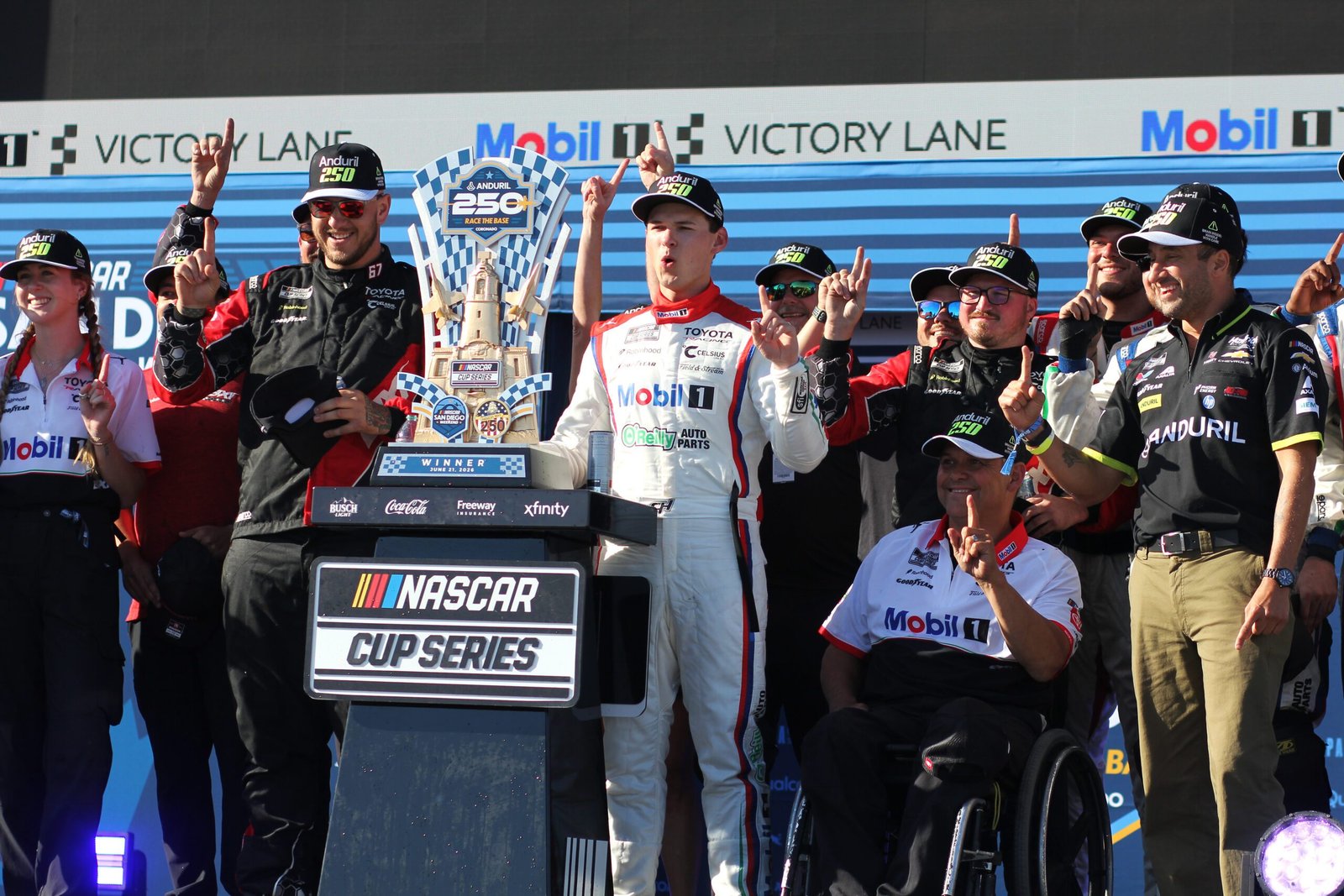
Following the race, Ben Kennedy addressed the future of the event at Naval Base Coronado with a measured perspective. “We feel like this is a tremendously successful event,” he said. “We would love to return.” Success meant the race weekend delivered, the crowd responded, and the partnership with the Navy proved the venue can support NASCAR at a high level. Logistical challenges mattered, but sustained fan engagement defined the weekend.
What made the event work was cooperation at every level. NASCAR brought the race, the Navy opened the base, and both sides committed to making it function inside a working military installation rather than a traditional motorsports environment. That distinction shaped access, flow, and pacing across the weekend.
NASCAR’s inaugural visit to Naval Base Coronado was not a perfect event, and it does not need that framing. The first attempt at something ambitious proved viable enough to justify continued discussion. A foundation is in place, and the concept delivered enough on-track value, crowd energy, and event identity to merit consideration for a return.
The final impression was not about novelty or branding. NASCAR’s visit to Naval Base Coronado held together once the racing began, even as movement, logistics, and on-track incidents created constant pressure points across the weekend. The setting dictated how people moved through the venue; the crowd flow stretched patience in key areas, and the racing delivered enough unpredictability to keep attention locked on track position and survival rather than surroundings. Those elements did not blend into a polished experience. They operated side by side and defined a clear, functional identity for the weekend.
The weekend at Naval Base Coronado unfolded under constant pressure from movement, logistics, and on-track incidents. Crowd flow created friction in key areas, and the racing itself stayed unpredictable enough that focus stayed on track position and survival rather than the surroundings. These elements did not blend into a polished experience, but they did form a clear and functional identity for the event.

Pingback: NASCAR at Naval Base Coronado: Inside San Diego’s Most Unusual Race Weekend on Record | Mankind Unplugged